I get it. Life can be challenging, and sometimes those emotions can overwhelm us. Creating this 30 day journal challenge is a way to finally admit that we need to start acknowledging those emotions and, hopefully, begin healing from them.
In this blog post, I will give you 30 journaling prompts you can use every day to gain clarity and create a safe place to process your emotions instead of bottling them up.
Table of Contents
What Is a Healing Journal Challenge?
Think of this 30 day journal challenge as a way to build consistent self-reflection. Instead of seeing it as another task, you can view it as an opportunity to recognize emotional patterns, increase awareness, and better understand your healing journey.
For 30 days, your goal is to answer one prompt per day. Every entry, whether long or short, becomes part of your healing process.
If you prefer guided pages instead of blank paper, you can use something structured like my Calm Mind CBT Journal for deeper thought work, especially if anxious thinking is part of what you are healing from.
If you want softer daily check-ins, my Gentle Focus Mindfulness Journal pairs beautifully with this kind of challenge.
But you do not need anything fancy. Just show up.
How to Use This 30 Day Healing Journal Challenge
You can:
- Write in a notebook
- Use a guided journal
- Type in your notes app
- Turn this into a creative healing art journal
You can even combine this with collage or printable elements if you enjoy junk journaling.
The 30 Day Healing Journal Challenge
I categorized these prompts into four stages: awareness, understanding, release, and rebuilding.

Week 1: Awareness
Day 1: What has been weighing on me lately? This helps you admit what has been heavy instead of pretending you are fine. Awareness begins when you say, “This has been hard.”
Day 2: What emotion have I been avoiding? We all push certain feelings away. Naming the one you have been avoiding helps you stop running from it.
Day 3: What feels unresolved in my life right now? Unfinished situations quietly drain energy. Writing them down helps you see what still needs your attention.
Day 4: When do I feel most overwhelmed? This helps you notice patterns instead of just labeling yourself as overwhelmed.
Day 5: What situation keeps replaying in my mind? If something keeps looping, it likely still matters. This question helps you understand why.
Day 6: What do I wish I could say but haven’t? Unspoken words build tension. Writing them down gives them a safe release.
Day 7: What part of me feels tired? Instead of saying “I’m exhausted,” this helps you see exactly where your energy is being drained.
If you are using the Gentle Focus Mindfulness Journal, these prompts fit naturally into daily emotional check-ins.
Week 2: Understanding
Looking a little deeper without judging yourself.
Day 8: Why does this situation hurt me so much? This helps you move past the surface reaction and understand what is really being touched inside you.
Day 9: What belief about myself might be connected to this pain? Sometimes pain connects to quiet beliefs like “I’m not enough” or “I always mess up.” Noticing those beliefs is the first step to questioning them.
Day 10: What story am I telling myself about this? Our minds create stories quickly. This question helps you separate what happened from what you are assuming.
Day 11: What would I say to a friend going through this? We are often kinder to others than to ourselves. This helps you hear your own situation with more compassion.
Day 12: What am I afraid will happen? Fear often sits underneath hurt. Naming the fear can make it feel less powerful.
Day 13: When did I first start feeling this way? Sometimes today’s pain has older roots. This question helps you gently trace it back.
Day 14: What does my younger self need to hear? This brings softness into your reflection. Healing often begins when you offer yourself reassurance instead of criticism.
Week 3: Release
Letting go does not mean forgetting. It means loosening your grip.
Day 15: What am I ready to release? This helps you admit what you are tired of holding onto, even if you are not fully ready to drop it yet.
Day 16: What is outside of my control? Sometimes stress comes from trying to manage things that were never yours to fix. Naming them creates space.
Day 17: What expectations are hurting me? Unspoken standards can quietly pressure you. This question helps you see where you may be asking too much of yourself.
Day 18 : What guilt am I holding onto? Guilt lingers when it is never examined. Writing it down helps you decide whether it still deserves space.
Day 19: What am I forgiving myself for? Healing often includes self-forgiveness. This question invites gentleness instead of self-punishment.
Day 20: What boundary do I need? Sometimes release is not about letting go of a person, but about protecting your energy.
Day 21: What can I stop carrying? You may be holding responsibility, worry, or emotional weight that is not fully yours. Noticing it is the first step toward setting it down.
Week 4: Rebuilding
Healing creates space. This week is about what grows there.
Day 22: What does healing look like for me? This helps you define healing in your own words instead of copying someone else’s version.
Day 23: What makes me feel safe? Safety is the foundation of growth. Knowing what makes you feel secure helps you create more of it.
Day 24: What small habit would support my peace? Healing does not require big changes. One small daily shift can gently move you forward.
Day 25: Who supports my growth? This reminds you that you do not have to rebuild alone. Support matters.
Day 26: What kind of person am I becoming? Instead of focusing only on what hurt, this helps you see who you are growing into.
Day 27: What am I proud of surviving? You have made it through more than you realize. This question helps you acknowledge your strength.
Day 28: What does a calmer version of me do differently? This helps you picture practical changes instead of vague goals.

Day 29: What do I want this next season to feel like? Rather than setting rigid plans, this focuses on the feeling you want to move toward.
Day 30: What part of me feels stronger now? Healing may be quiet, but it leaves signs. This helps you notice the strength that is already there.
Even small answers matter. Healing is often quiet.
Download the Printable 30 Day Healing Journal Challenge
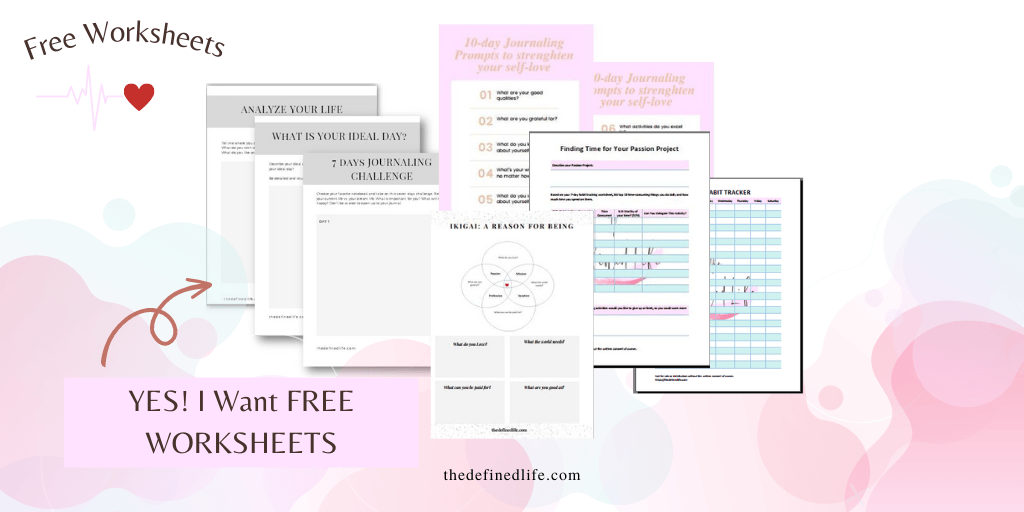
If you would like a clean, printable version of this 30 Day Healing Journal Challenge, I created a free PDF for you.
You can print it and: Keep it inside your journal, tape it into your planner, use it as a daily checklist, or keep it by your bedside
It is simple and minimal so you can focus on writing, not decorating.
Download the free printable here.👇
If you prefer fully guided pages instead of prompts on a sheet, you can continue your healing work inside my Gentle Focus Mindfulness Journal for daily emotional awareness, or the Calm Mind CBT Journal if you want deeper thought reframing support.
Final Thoughts on 30 Day Journal Challenge for Healing

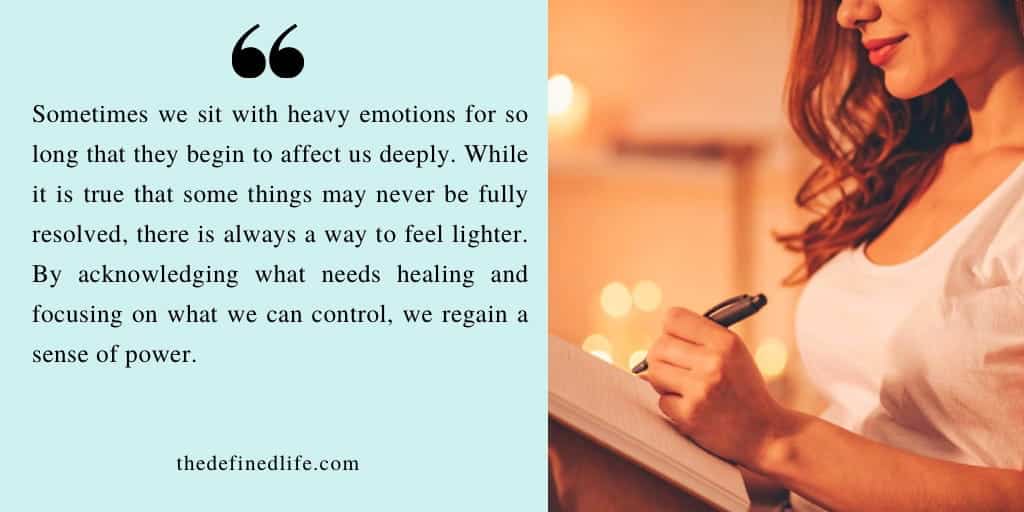
Sometimes we sit with heavy emotions for so long that they begin to affect us deeply. While it is true that some things may never be fully resolved, there is always a way to feel lighter. By acknowledging what needs healing and focusing on what we can control, we regain a sense of power.
Try this 30 day challenge and see what shifts for you.
Love and light,








Leave a Reply